


How manufacturers can receive, store, handle, and monitor gelatin in accordance with its specified storage conditions and declared shelf life.
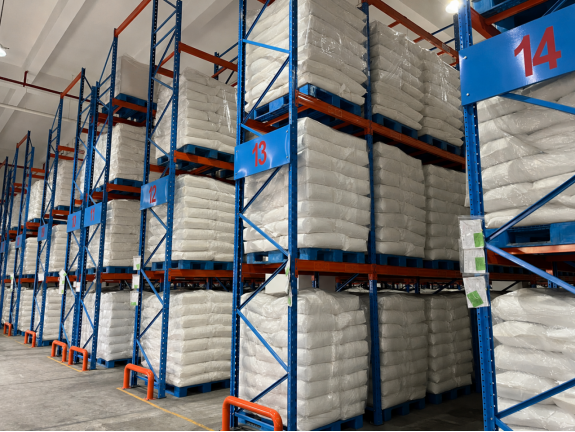
Why Storage Is a Quality Decision, Not a Warehouse Detail
Gelatin is generally stable when kept in its original sealed packaging under the supplier’s specified storage conditions. Moisture exposure, excessive heat, damaged packaging, contamination, and poor stock rotation can nevertheless affect handling or product suitability. Effective transport and storage controls therefore extend the supplier’s quality measures through receipt, warehousing, and production use.
What “Shelf Life” Really Means
Shelf life is the product-specific period during which the material is expected to remain within its approved specification when stored in the defined packaging and under the stated conditions. The applicable period should be confirmed from the product label, specification, or supplier documentation. If storage conditions deviate from the stated requirements, the affected lot should be evaluated through the buyer’s documented quality procedure before use.
The Two Enemies: Moisture and Temperature
Dry gelatin can absorb moisture from the surrounding environment, which may contribute to caking and changes in handling or flow behaviour. Excessive temperature combined with high humidity can also affect the swelling and dissolution performance of dry gelatin. Gelatin solutions are more sensitive to prolonged heating than the dry ingredient, so storage guidance for bulk powder should be distinguished from controls applied after hydration or dissolution.
- Relative humidity: maintain a dry warehouse within the limits stated in the supplier’s specification or the buyer’s qualified storage procedure, and monitor humidity trends where the local climate is variable.
- Temperature: store the product within its declared temperature range, away from direct sunlight, heat sources, condensation, and abrupt temperature changes.
- Sealed packaging: keep original moisture-proof liners intact until use; reseal partially used bags immediately.
- Odour and chemical exposure: store away from strong odors and chemicals — gelatin can absorb odors that taint finished products.
- Pest and hygiene: standard food-grade warehouse hygiene and pest-control practices help prevent contamination.
Moisture control, stable temperature, intact packaging, and hygienic segregation work together to protect stored gelatin. The applicable product specification should determine the required controls.
Receiving and Rotation
Quality starts at the dock. A disciplined receiving and stock-rotation process helps identify problems before materials enter production and ensures that lots are used in the appropriate sequence rather than being found expired behind newer stock.
| Step | Best practice |
|---|---|
| Incoming inspection | Check packaging integrity, lot identification, transport condition where relevant, and the required COA or accompanying documents. |
| FEFO/FIFO rotation | Use first-expired, first-out where lots have different shelf-life dates; use FIFO where the applicable dates are equivalent. |
| Lot segregation | Physically identify and separate quarantined, accepted, rejected, returned, or damaged material. |
| Condition logging | Record relevant warehouse temperature and humidity data so excursions can be linked to affected periods and lots. |
| Periodic review | Review long-held or exposed lots according to the approved storage, deviation, and retesting procedure; where testing is required, assess against the approved specification. |
Signs That Require Further Evaluation
Even with good storage practices, buyers should know which warning signs require further evaluation so that potential issues can be identified during incoming inspection rather than after the material has entered finished-product manufacturing. Quality changes may be subtle rather than immediately obvious.
- Caking or hard lumps may indicate moisture exposure, packaging damage, or physical compaction and should trigger further evaluation.
- Unusual or chemical odours may indicate unsuitable segregation or another contamination source.
- Out-of-specification or unusual changes in gel strength or viscosity, confirmed using the applicable test method, should be investigated against the approved specification and relevant batch information.
- Unexpected discoloration may indicate storage exposure, contamination, or another quality change requiring investigation.
- An out-of-specification microbiological result may be associated with packaging damage, moisture exposure, sampling or handling practices, or other potential contamination pathways.
Packaging That Survives the Journey
For humid climates or long transit routes, buyers and suppliers should confirm the primary packaging, pallet protection, container condition, and any additional moisture-control measures before shipment. Desiccants or other protective measures should be used only where they are suitable for the selected packaging configuration and food-ingredient requirements.
In high-humidity regions, suitable moisture-barrier packaging should be included in the purchasing or packaging specification. Even high-quality gelatin can be affected by moisture ingress if the packaging provides insufficient protection.
Climate-Specific Storage Guidance
Storage conditions should be adapted to the local climate while remaining within the requirements defined by the supplier’s specification or the buyer’s qualified storage procedure. In tropical or coastal environments, higher ambient humidity may require additional humidity control or dehumidification. In colder environments, moving cold material into a warm, humid area can create condensation risk, so pallets should be allowed to equilibrate under controlled conditions before the packaging is opened. Climate-appropriate storage controls help support product quality throughout the declared shelf life and improve consistency in incoming inspection results.
- Tropical / high-RH: maintain relative humidity within the limits defined by the supplier’s specification or qualified storage procedure; use dehumidification where necessary and verify conditions with calibrated monitoring equipment.
- Temperate: maintain a stable temperature within the supplier’s specified range and protect the material from seasonal humidity spikes, condensation, and water exposure.
- Cold-to-warm transfer: allow pallets to equilibrate under controlled conditions before opening to reduce the risk of condensation.
- Long-term hold: Long-term hold: conduct periodic re-inspection and, where applicable, retest against the approved specification before release.
Common Storage Mistakes
- Storing gelatin next to cleaning chemicals or strong-odor ingredients.
- Leaving partially used bags open on the line between shifts.
- Ignoring warehouse RH because the temperature looks fine.
- Using LIFO by accident, so old lots expire unseen at the back of the rack.
Turning Storage Control Into Quality Assurance
Disciplined storage is not just defensive — it is commercial. Consistent incoming quality means stable finished-product texture, fewer customer complaints, and fewer line stoppages from out-of-spec material. Documented temperature, humidity, packaging, and stock-rotation records support traceability, deviation investigation, and audit evidence. They can also help buyers and suppliers evaluate whether transport, storage, manufacturing, sampling, or production handling may have contributed to a quality issue.
Gelken supplies gelatin with moisture-protective packaging, lot-level traceability, and the relevant COA documentation. Where additional packaging protection is required for specific climates or transit conditions, buyers can discuss these requirements with our team before shipment to help protect product quality throughout transportation and storage.
Frequently Asked Questions
Q: What humidity is safe?
A: Keep relative humidity within the range specified by the supplier or the buyer’s qualified storage procedure. In humid climates, additional humidity control or dehumidification may be required.
Q: Can I use gelatin from a caked bag?
A: Do not use it without evaluation. Caking may result from moisture exposure, packaging damage, or physical compaction. Quarantine the affected lot and evaluate it according to the applicable quality procedure before production use.
Q: Does temperature still matter if humidity is controlled?
A: Yes. Storage temperature remains important even when humidity is controlled. Keep gelatin within the supplier’s specified temperature range and avoid prolonged exposure to excessive heat.
Key Takeaways
- Shelf life depends on compliance with the specified storage conditions, including suitable temperature, dry conditions, intact packaging, and protection from strong odors.
- Gelatin is hygroscopic; control both relative humidity and temperature within the specified storage limits.
- Appropriate FEFO/FIFO stock rotation and incoming inspection help identify quality issues before affected material enters production.
- Specify climate-appropriate moisture-barrier packaging so quality survives transit and storage.

Post time: Sep-04-2026

